
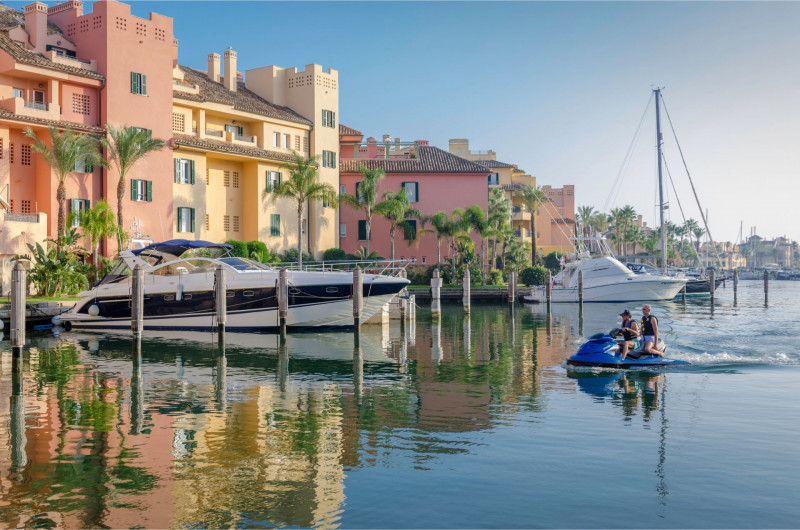
With over 300 days of sunshine a year, Costa del Sol is not just a popular holiday destination, it is one of Europe’s most desirable relocation spots. For many British and Northern European retirees, families, and digital professionals, life on Spain’s southern coast offers the perfect combination of leisure, affordability, and high quality of life.
Whether you are an EU citizen planning a straightforward move or a non-EU resident facing more formal requirements, the process of relocating to Costa del Sol in 2025 is completely achievable, and easier than you might think with the right guidance. In this guide, we will take you through every key step, from selecting the right visa to buying property and settling into your new community.
With international residents making up more than 16% of the population, the Costa del Sol is truly a global melting pot, one where the sun shines as brightly as the opportunities.
Why Move to Costa del Sol in 2025?
The Costa del Sol offers an unbeatable combination of natural beauty, modern infrastructure, and a vibrant lifestyle. The Mediterranean climate ensures mild winters and hot summers, creating ideal conditions for outdoor living all year round.
English is widely spoken, especially in key areas like Marbella, Estepona, and Mijas, making the transition easier for retirees and new residents. Expat communities are thriving here, with access to familiar amenities, international schools, and health services.
The cost of living in the Costa del Sol remains considerably lower than in most parts of Northern Europe and the UK. This affordability extends to housing, dining, transport, and healthcare, all while enjoying a far higher quality of life.
Property investment opportunities are also growing, with high rental demand and long-term value appreciation across prime coastal areas. Towns such as Fuengirola, Benalmádena, and San Pedro are seeing renewed interest, while Estepona and Marbella remain in high demand for both luxury and mid-range buyers.
Legal Residency Options for EU Citizens
Thanks to EU freedom of movement laws, relocating to Spain as an EU citizen is relatively straightforward. You do not need a visa to live in Spain, but after 90 days, you are legally required to register as a resident.
To do this, you must obtain a Certificado de Registro de Ciudadano de la Unión. This involves registering with the local town hall (known as empadronamiento), obtaining a NIE number (Foreigner Identification Number), and showing proof of health insurance and sufficient financial means.
Once approved, you will receive your green residence certificate, which allows you to access services such as healthcare, banking, and education.
Visa & Residency Options for Non-EU Citizens
For non-EU citizens, including British retirees post-Brexit, moving to Spain requires a valid visa or residency permit. Fortunately, several pathways are available in 2025:
- Non-Lucrative Visa: Designed for retirees and those not intending to work in Spain. Requires proof of stable passive income (such as pensions or investments) and private health insurance.
- Golden Visa: For property investors. This visa is available to individuals investing at least €500,000 in Spanish real estate, granting residency rights for you and your immediate family.
- Digital Nomad Visa: Ideal for remote workers or business owners. Applicants must demonstrate a stable income from a foreign employer or business and meet minimum financial requirements.
Each visa type requires detailed documentation, including bank statements, health insurance, criminal background checks, and medical clearance. Processing times range from four to twelve weeks, and most visas are renewable yearly, leading to permanent residency after five years.
Step-by-Step Relocation Process
Step 1: Research your destination
Each town along the Costa del Sol has its own charm. Marbella offers a luxury lifestyle, Estepona combines modern living with authentic charm, while Mijas and Benalmádena provide peaceful, family-friendly communities. Explore local property markets, community groups, and amenities.
Step 2: Choose your visa or residency pathway
Determine whether you qualify for an EU citizen residency or if you need to apply for one of the non-EU visa options.
Step 3: Apply for your NIE number
The NIE is a legal ID number for foreigners in Spain. It is required for almost all administrative and financial processes, including property purchase and bank account setup.
Step 4: Secure housing
Decide whether to rent or buy property. Estate agents such as Eliasson Estates can guide you through both options, offering listings tailored to your budget and lifestyle preferences.
Step 5: Register at your town hall (Empadronamiento)
This step proves your residence in a Spanish municipality and is necessary for access to local services.
Step 6: Open a Spanish bank account
Most banks require your NIE, proof of address, and passport. Choose a bank with low foreign transaction fees and online banking features.
Step 7: Arrange health insurance
Depending on your residency type, you will need to enrol in the public healthcare system or purchase private cover.
Step 8: Understand your tax obligations
As a resident, you may be liable for Spanish income tax, wealth tax, or capital gains on overseas income. Consult with a local tax advisor to avoid penalties.
Finding Property in Costa del Sol
The Costa del Sol offers a wide variety of property types, from beachfront apartments to hillside villas. Deciding whether to rent or buy depends on your long-term goals. Renting may be ideal during your first year while you familiarise yourself with the area, while purchasing offers greater security and potential investment returns.
Estate agents such as Eliasson Estates specialise in helping international clients navigate the property market. With access to exclusive listings and multilingual support, they make buying or renting property in Marbella, Benahavís, San Pedro, and Sotogrande a seamless process.
When buying, ensure you have a lawyer to handle the due diligence, including property registration, legal title, and tax implications. A standard process includes signing a reservation contract, paying a deposit, conducting legal checks, and finalising the sale deed before a notary.
Healthcare and Insurance in Spain
Spain’s public healthcare system is ranked among the best in the world. EU citizens can access services through the Tarjeta Sanitaria (Health Card), while non-EU residents typically need to provide private health cover as part of their visa application.
Private healthcare is widely available, affordable, and offers shorter wait times and English-speaking staff. Popular insurers for expats include Sanitas, Cigna, and Adeslas.
Once you receive your residence permit, you may be eligible to register for public healthcare if you are employed, self-employed, or a pensioner transferring your UK State Pension to Spain via the S1 form.
Education Options for Families
If you are relocating with children, Costa del Sol offers excellent education options. You can choose between public schools, which are free and follow the Spanish curriculum, or international schools, which offer British, American, or IB curricula.
Top international schools in the region include Swans International, Aloha College, and Sotogrande International School. These institutions offer bilingual education, multicultural environments, and globally recognised qualifications.
Admission processes vary, so it’s wise to apply early and prepare necessary documents such as transcripts, immunisation records, and proof of residence.
Banking and Financial Setup
Opening a Spanish bank account is essential for daily life and property transactions. Most banks offer accounts specifically for non-residents, which can later be converted to resident accounts.
Be sure to compare banks for monthly fees, online banking services, and English-language support. Transfer services like Wise and Revolut offer competitive exchange rates and easy account management for expats.
You will also need to set up automatic payments for utilities, internet, and insurance once you move into your new property.
Integrating into Local Life
Learning Spanish, even at a basic level, will help you integrate more easily. Apps like Duolingo, local language schools, and online tutors can help you build confidence.
Joining local clubs, volunteering, or attending expat meetups is a great way to meet new people and learn about your community. Driving in Spain is straightforward, and many expats convert their existing licence or take a Spanish driving test.
If you plan to work or start a business, you must register as self-employed (autónomo) or apply for a work permit, depending on your visa.
Why Choose Eliasson Estates?
Local Expertise and Market Knowledge
With deep roots in Costa del Sol, Eliasson Estates brings decades of experience and unmatched knowledge of the local property market.
Proven Track Record of Success
They have successfully helped hundreds of foreign clients relocate, invest, and settle into life on Spain’s southern coast.
Personalised Property Services
Whether you are buying, renting, or investing, their team provides tailored recommendations based on your unique lifestyle and financial goals.
Multilingual Support and Legal Guidance
Eliasson Estates offers full assistance in English, Swedish, and Spanish, along with trusted legal and notary connections to guide you through the property purchase process.
Client-Centric, Transparent Approach
They pride themselves on offering honest advice, clear communication, and end-to-end support for every stage of your relocation journey.
Visit www.propertiesforsale.es to explore listings and get expert help today.
FAQs
Can UK citizens still move to Spain after Brexit?
Yes. British citizens can move to Spain in 2025, but they now need to apply for a visa, such as the Non-Lucrative Visa or Golden Visa. The process involves proving income, securing private health insurance, and applying through the Spanish consulate in the UK.
How much money do I need to retire in Costa del Sol?
For a Non-Lucrative Visa, the minimum income requirement is roughly €2,400 per month for an individual, plus around €600 for each dependent. Many retirees find that €2,500–€3,000 per month provides a very comfortable lifestyle.
Is healthcare free in Spain for expats?
EU citizens can access public healthcare once registered. Non-EU citizens may need private insurance unless they qualify through work, pension transfers, or residency status. Public healthcare is generally affordable and of high quality.
Can I bring my pet when I move to Spain?
Yes, but your pet will need a microchip, rabies vaccination, and an EU pet passport or animal health certificate. Airlines have specific rules for transporting pets, so it’s best to check with your carrier.
What is the best area to live in Costa del Sol for retirees?
Estepona, Mijas, and Benalmádena are popular with retirees due to their peaceful atmosphere, excellent amenities, and vibrant expat communities. Eliasson Estates can help you find a home that suits your pace and lifestyle.
Conclusion
Relocating to Costa del Sol in 2025 offers more than just a change of scenery, it’s a lifestyle transformation. With warm weather, beautiful coastlines, and a welcoming international community, this region of Spain continues to attract retirees, families, and remote workers alike.
This step-by-step guide provides all the tools you need to plan a smooth, legal, and fulfilling move. When it comes to finding your perfect home, Eliasson Estates stands ready to guide you through the process with care, experience, and local expertise.
Your new life on Spain’s southern coast awaits. Contact Eliasson Estates today and take the first step toward your Costa del Sol future.