
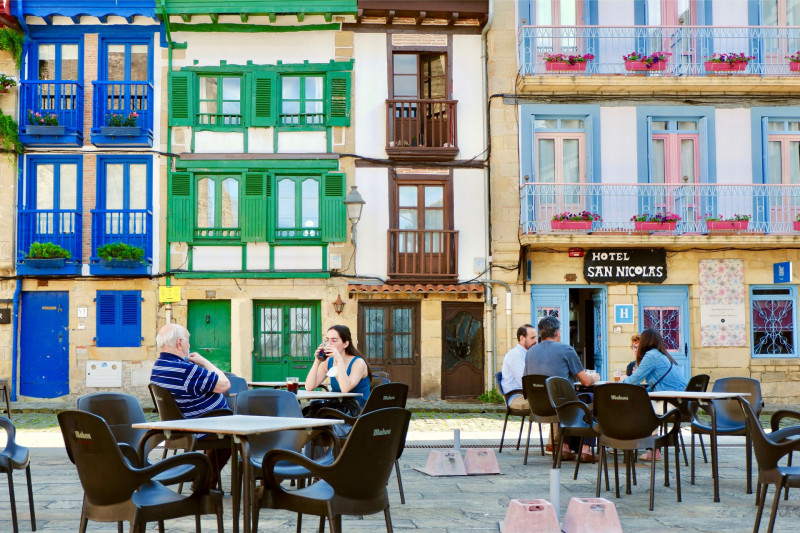
“When in Spain, do as the Spaniards do”, and that means embracing the siesta. For many French expats relocating to Spain, this traditional midday break can seem both charming and puzzling. Interestingly, more than 60% of Spaniards still support the idea of a siesta, even if only a smaller percentage practise it regularly in today’s fast-paced society.
If you are moving to Spain for retirement, remote work, or simply a lifestyle change, understanding siesta culture is crucial. It affects everything from when shops open to how families structure their days. This guide will help you navigate siesta time like a local, avoid scheduling missteps, and enjoy the slower Mediterranean rhythm. Let us explore how to make this unique aspect of Spanish life work in your favour.
What Is the Siesta? A Cultural and Historical Overview
The siesta has its roots in Spain’s agricultural past. Historically, workers would rest during the hottest part of the day to avoid heat exhaustion and resume work later in the evening when it was cooler. This midday pause, more than just a nap, became a cornerstone of Spanish cultural identity, symbolising balance between work and personal wellbeing.
A siesta is not merely a brief doze. It is a time set aside for rest, reconnection, or simply stepping away from the busyness of the day. In contrast to the more rigid work schedules in France, Spanish daily routines were designed with flexibility and personal wellbeing in mind, a practice that still echoes in many parts of the country.
Siesta Culture Today: Is It Still Relevant in 2025?
In 2025, siesta culture continues to evolve. While traditional rural areas such as Andalusia often maintain the full midday break, many urban centres like Madrid and Barcelona have adopted a more streamlined schedule due to global business demands and tourism.
Regional variations persist. In coastal and southern regions, siestas are more commonly observed, particularly in family-run businesses and older communities. Meanwhile, younger generations and larger companies tend to stick with a more Europeanised work schedule.
Despite this shift, surveys show that support for the siesta remains strong. While not everyone sleeps during this time, many use it for personal tasks, exercise, or a quiet lunch, upholding its place in the Spanish lifestyle.
How Siesta Affects Daily Life in Spain
The most noticeable impact of the siesta is the adjustment of business hours. Shops, especially in smaller towns, often close between 2:00 pm and 5:00 pm. This can be surprising for newcomers, particularly those used to French continuous trading hours.
Schools may have extended lunch breaks or staggered schedules that reflect this cultural rhythm. Families tend to gather for lunch, which is the main meal of the day, followed by downtime or rest.
Public transport may operate on lighter schedules in the early afternoon, and streets often become quieter. Mealtimes also shift; dinner typically starts no earlier than 9:00 pm, which can take some getting used to for newly arrived French retirees.
Adapting as a French Expat: Practical Tips
Adapting to siesta culture requires a bit of flexibility and planning. Align your errands with local business hours to avoid the frustration of closed shops. Get to know the rhythm of your neighbourhood, some areas may observe the siesta strictly, while others might not.
Professionally, it is helpful to adjust your expectations around availability. Avoid scheduling meetings or sending emails between 2:00 pm and 5:00 pm unless previously arranged. Spaniards may not respond immediately during these hours.
Rather than viewing siesta time as a disruption, consider it an opportunity for personal recharge. Use the time to read, relax, take a walk, or even enjoy a light nap. The key is to synchronise with the local rhythm rather than resist it.
Managing Work and Productivity During Siesta Hours
If you are working remotely or managing clients across time zones, the siesta can be a challenge, but also an opportunity. Plan your most focused tasks during the quiet afternoon hours when there are fewer distractions.
Leverage tools like asynchronous communication platforms (e.g., Slack or Trello) to maintain productivity while respecting local customs. Schedule your workday around energy peaks and allow yourself a mental break during siesta time.
Rather than forcing a French-style 9-to-5 mindset, embrace the Mediterranean work-life balance. You will likely find that you get more done with fewer hours and less stress.
Socialising and Building Relationships in a Siesta-Oriented Society
Social life in Spain starts later in the day. Afternoon coffee meetups, evening tapas outings, and late-night dinners are common, especially during weekends. Understanding and embracing this later social rhythm is key to building friendships and community ties.
Spanish hospitality is generous and warm, but timing matters. Arriving too early to a dinner party or calling someone during siesta hours may be seen as inconsiderate. French expats should be mindful of these subtle cultural differences when building relationships.
Being open to these shifts will help you integrate faster and feel more at home in your new surroundings.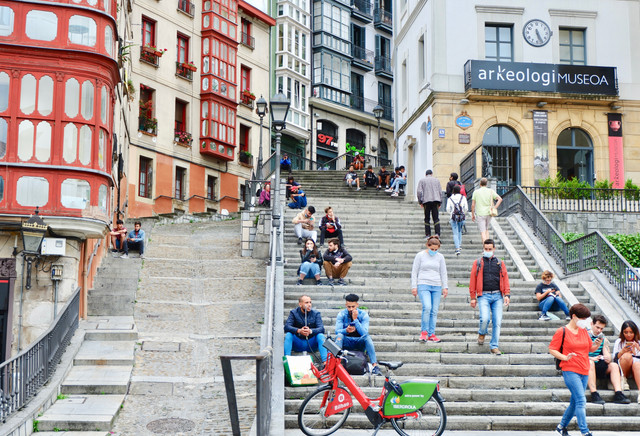
Siesta and Wellbeing: The Benefits of Embracing the Pause
A midday break is more than just cultural, it offers genuine health benefits. Napping has been linked to improved memory, reduced stress, and lower blood pressure. It can also boost productivity by allowing your brain to reset.
Beyond napping, the siesta encourages mindfulness. Whether through meditation, quiet reflection, or a leisurely lunch, it reinforces the value of slowing down and enjoying the present moment, something many retirees value deeply.
For French expats used to a fast-paced urban life, the siesta offers a refreshing change that supports both physical and mental wellbeing.
Common Challenges French Expats Face (and How to Overcome Them)
The initial transition can be confusing. It is easy to forget that banks or pharmacies may close mid-afternoon, especially if you are used to French service hours. Keep a list of local business schedules handy to avoid inconvenience.
Feelings of restlessness or boredom during quiet hours are also common. Combat this by creating a personal routine that makes use of the time, whether through hobbies, reading, or afternoon walks.
Language barriers may compound the difficulty of understanding cultural nuances. Consider joining a local expat group or language exchange to smooth the learning curve. Embracing curiosity rather than frustration will make the process more enjoyable.
Why Choose Eliasson Estates?
Relocating to Spain, especially as a retiree, can be a complex process, and that is where Eliasson Estates excels. Based in Mijas Costa, they offer tailored services for international buyers, with a strong focus on helping French expats find their ideal home under the sun.
Their team combines deep local expertise with multilingual support, making communication seamless and stress-free. With decades of experience and a proven track record, they understand the unique needs of retirees and expats alike.
Eliasson Estates takes a personalised approach to property searches, helping clients navigate everything from legal paperwork to lifestyle planning. Their cutting-edge online tools, combined with responsive, hands-on service, ensure that you feel supported at every stage of your relocation journey.
For retirees seeking not just a property but a smooth transition into Spanish life, Eliasson Estates is a trusted partner you can rely on.
FAQs
Do people still take siestas in Spain today?
Yes, though the practice has evolved. While fewer people take full naps, many still observe a break in the afternoon. Businesses often close between 2:00 pm and 5:00 pm, particularly in smaller towns. It is a cultural pause that remains deeply respected, even if practised differently today.
Is it difficult to adjust to siesta hours as a French expat?
It can be at first, especially if you are used to continuous business hours and earlier dining times. However, most expats find that with a bit of planning and an open mindset, they begin to appreciate the relaxed pace and the opportunities the siesta offers for rest and reflection.
Will siesta affect my ability to work remotely from Spain?
Not necessarily. Many remote workers adapt by structuring their day around siesta time, using it for personal breaks or focused solo tasks. By leveraging asynchronous tools and planning meetings outside the afternoon pause, you can remain productive while aligning with local rhythms.
Is siesta culture observed the same way across all of Spain?
No. Southern regions like Andalusia observe the siesta more strictly, while larger cities and the north have shifted towards continuous work schedules. It varies by location, industry, and even generation.
Can I schedule property viewings during siesta hours?
It depends on the agency and the region. Eliasson Estates, for example, works flexibly with international clients and can often arrange viewings outside standard hours to suit your needs. It is always best to book in advance and confirm availability.
Conclusion
Adapting to siesta culture as a French expat is about more than naps, it is about embracing a different rhythm of life. From business schedules to social habits, the siesta influences how Spaniards live, work, and connect. Rather than resisting it, use it as a gateway to deeper cultural understanding and personal wellbeing.
With the right mindset and guidance from trusted experts like Eliasson Estates, your transition to Spain can be both smooth and fulfilling. So next time the streets go quiet after lunch, take a moment to pause. Enjoy a coffee, close your eyes, or simply be present, you are now part of the Spanish rhythm.
Ready to begin your new chapter in Spain? Contact Eliasson Estates today and let them help you find your perfect home in the sun.