
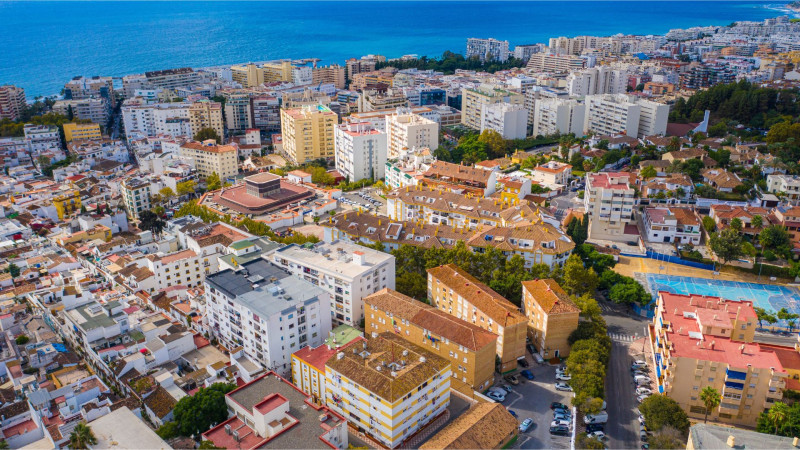
Dreaming of owning your own slice of Mediterranean paradise? Whether it’s a beachfront villa in Marbella or a modern apartment in Madrid, financing your property in Spain is the key step in making that dream come true. With more than 60% of international buyers using Spanish mortgage financing, it’s clear that purchasing property in Spain is more accessible than ever.
In this comprehensive 2025 guide, we’ll walk you through everything you need to know about Spanish mortgage options, payment structures, loan terms, and tax implications. By the end, you’ll have the confidence and clarity needed to finance your dream home in Spain.
Understanding Property Financing in Spain
The Spanish mortgage market is mature, transparent, and highly regulated, making it a reliable choice for international buyers. Foreign investors play an increasingly vital role in Spain’s property market, with many non-residents securing mortgages through Spanish banks and international lenders.
Lenders in Spain include local banks, international institutions, and private financing firms. Most loans are offered in euros, with repayment terms typically ranging from 15 to 30 years. Non-residents should be aware of the legal and financial considerations, such as NIE registration (Número de Identificación de Extranjero) and compliance with Spanish property laws.
Spanish Mortgage Options for Foreign Buyers
Foreign buyers can choose between resident and non-resident mortgage products. While residents may qualify for higher loan-to-value (LTV) ratios of up to 80%, non-residents typically receive financing between 60% and 70%.
Mortgages in Spain can be fixed-rate, where payments remain consistent, or variable-rate, which adjusts based on the Euribor index. Documentation requirements generally include proof of income, tax returns, bank statements, and identification documents. Understanding the differences between resident and non-resident rates helps buyers plan their budgets more effectively.
Payment Options and Financing Structures
Buyers can choose between full upfront payment or staged payments, particularly for off-plan developments. A reservation fee typically secures the property, followed by staged payments as construction progresses.
Some developers also offer their own financing options, providing flexibility for those who wish to avoid traditional bank mortgages. Deciding between a local or international lender depends on currency preferences, fees, and repayment convenience. Each route offers distinct benefits, and professional advice can help identify the best approach for your needs.
Costs and Fees Involved in Financing a Spanish Property
Aside from the property price, buyers must budget for additional costs. Common expenses include notary fees, land registration, legal assistance, and mortgage-related charges such as arrangement and valuation fees.
Taxes are another major consideration. Buyers may need to pay Stamp Duty (Actos Jurídicos Documentados), Value Added Tax (VAT) for new builds, or Transfer Tax (ITP) for resale properties. On average, these costs amount to 10–15% of the property’s purchase price. Preparing for these expenses ensures there are no surprises later in the process.
Interest Rates and Repayment Terms in 2025
Spanish mortgage interest rates are closely linked to the Euribor index, which has shown moderate stability in 2025 following adjustments from the European Central Bank. Fixed-rate mortgages remain popular among foreign buyers seeking predictable monthly payments.
Typical repayment terms range from 20 to 30 years, depending on the borrower’s age and income. Non-residents may face slightly higher rates than residents, but lenders are often open to negotiation. Comparing offers from multiple banks can result in more favourable conditions and long-term savings.
Financing for Investment and Holiday Properties
Investors and second-home buyers can access tailored mortgage options designed for rental or holiday use. Buy-to-let mortgages allow owners to generate income while covering repayment costs, while refinancing options can help leverage equity from existing properties.
It’s important to understand the tax implications of rental income, which must be declared in Spain. Investment property loans may also have stricter LTV ratios, but their long-term returns often justify the initial conditions.
How to Improve Your Mortgage Approval Chances
A strong financial profile significantly increases the likelihood of mortgage approval. Maintaining a good credit score, stable income, and manageable existing debts is crucial. Opening a Spanish bank account can simplify transactions and demonstrate commitment to local financial systems.
Working with experienced mortgage brokers and legal advisors can streamline the process. They ensure that all documentation meets lender requirements and that foreign buyers avoid common pitfalls such as currency fluctuations and incomplete paperwork.
Alternative Financing Options
Not all buyers rely on traditional bank loans. Developer financing and off-plan payment schemes are increasingly popular, especially in new luxury developments. Cross-border mortgage services also allow international buyers to access funds from banks in their home country.
Additionally, private investors and peer-to-peer lending platforms can provide flexible financing solutions. These alternatives may come with higher interest rates but can be beneficial for buyers who need fast or customised funding arrangements.
Step-by-Step Guide to Applying for a Spanish Mortgage
Pre-qualification and Affordability Check: Assess your income, assets, and debts to determine eligibility.
Document Preparation: Gather proof of income, tax returns, identification, and property details.
Application and Valuation: Submit your application, and the bank will conduct a property valuation.
Mortgage Offer: Review the lender’s offer, including interest rate and repayment terms.
Final Signing at the Notary: Complete the mortgage deed and property transfer at a Spanish notary office.
Common Challenges and How to Overcome Them
Foreign buyers may encounter bureaucratic delays, complex paperwork, or language barriers. Choosing an estate agency that provides bilingual assistance and legal coordination is essential. Exchange rate fluctuations can also affect repayment costs, so it’s wise to use foreign exchange services or euro-based accounts.
Understanding all associated fees, taxes, and legal obligations beforehand helps prevent misunderstandings later in the process.
Expert Tips for Managing Your Property Payments
Setting up automatic transfers from a euro account ensures consistent payments and reduces the risk of missed instalments. Monitoring interest rate trends helps homeowners anticipate future costs, while regular reviews with financial advisors ensure your mortgage continues to meet your needs.
For investors, maintaining clear financial records is vital for tax reporting and long-term portfolio planning.
Why Choose Eliasson Estates?
Eliasson Estates stands out for its commitment to guiding foreign buyers through every stage of the Spanish property journey. Their team combines local expertise with international experience, ensuring each client receives accurate, transparent advice.
With deep market knowledge across Costa del Sol, they provide tailored support for buyers seeking the best mortgage and property options. Their customer-focused approach means you receive ongoing assistance, from the first consultation to the final notary signing.
Eliasson Estates also leverages innovative marketing tools and trusted legal partnerships to simplify the purchase process, making property ownership in Spain smooth and stress-free.
FAQs
Can foreigners get a mortgage in Spain?
Yes, many Spanish banks offer mortgages to non-residents, typically financing up to 70% of the property’s value. Eligibility depends on your income, credit history, and financial stability.
What documents do I need to apply for a Spanish mortgage?
You’ll need proof of income, recent tax returns, bank statements, identification (passport and NIE number), and details of the property you intend to buy.
Are Spanish mortgage rates fixed or variable?
Buyers can choose between fixed-rate and variable-rate mortgages. Fixed rates provide stability, while variable rates are linked to the Euribor index and may fluctuate over time.
How long does the mortgage process take?
The average timeline is 6–8 weeks, depending on the lender and completeness of your documentation. Working with an experienced mortgage broker can shorten this process.
What are the main costs besides the property price?
Expect additional costs such as notary fees, taxes (ITP or VAT), legal fees, and mortgage arrangement charges. Budgeting for around 10–15% of the property price is recommended.
Conclusion
Financing your property in Spain is a straightforward process when you understand the available options, costs, and requirements. With careful planning, the right mortgage, and expert guidance, owning a home in Spain can be both rewarding and financially sound.